Essential Guide: What to Consider When Buying Engines Online for Your Vehicle
When acquiring an engine online, various factors come into play to ensure a successful transaction. Compatibility with the vehicle is essential, demanding careful review of details like vehicle make, model, and VIN. Buyers must also weigh the pros and cons of new, remanufactured, and used options. Comprehending warranty coverage and finding trustworthy sellers can further complicate the buying experience. As these elements intertwine, it grows apparent that informed decisions are critical for a positive result. What steps should one take next?
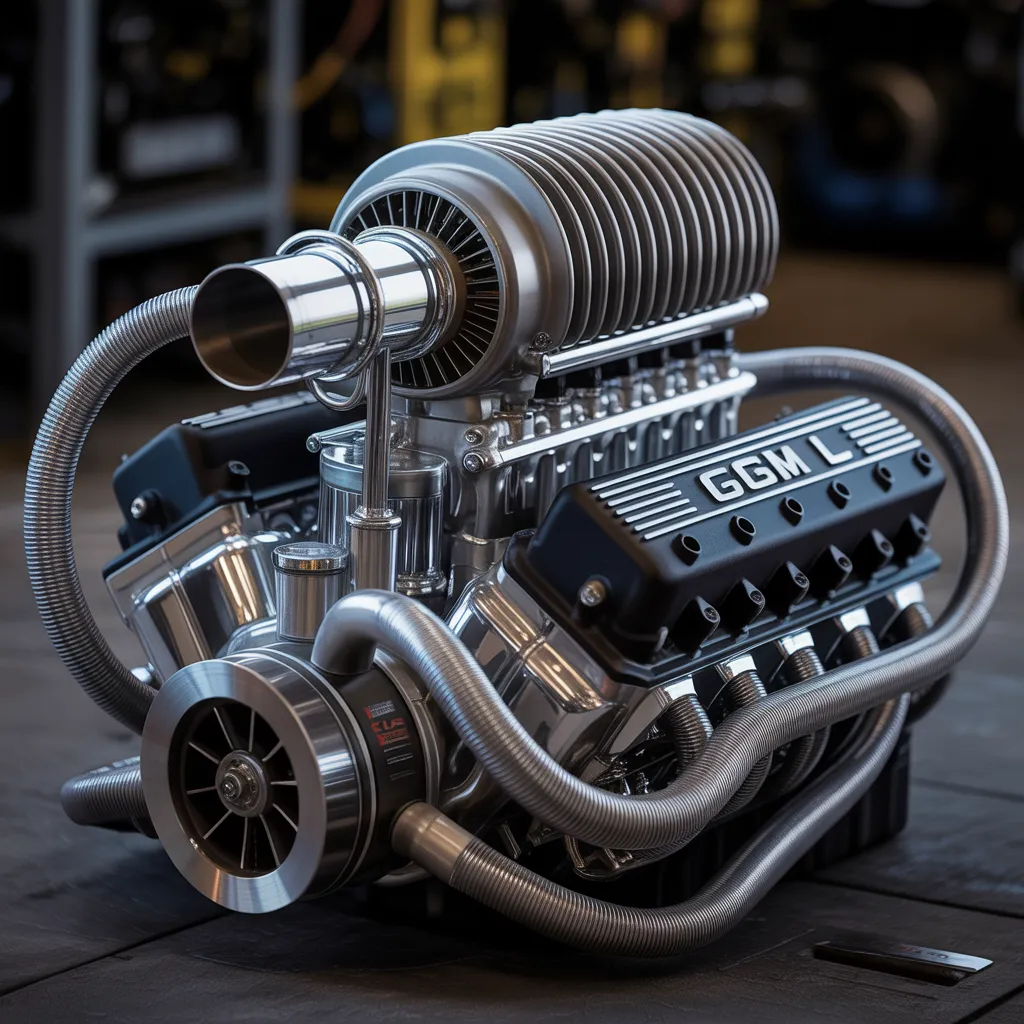
How to Check Engine Compatibility With Your Automobile
When buying an engine through an online retailer, confirming the engine is compatible with your vehicle is critical for a successful installation. Shoppers should start by establishing the vehicle's make, model, and year, as this information is key to selecting the right engine. Furthermore, reviewing the vehicle identification number (VIN) can offer precise information that helps verify compatibility.
Moreover, it is crucial to account for the engine category, such as whether it is a gasoline or diesel model, as well as the engine's size and layout. Investigating the engine's component numbers can also be useful in ensuring that it matches the vehicle's requirements.
Customers are advised to consult the seller for all compatibility assurances or return procedures, which can protect against unexpected problems. In addition, reviewing buyer testimonials and looking for reliable sources can shed light on the seller's credibility, ensuring a thoroughly informed purchase decision.
Choosing Between New, Remanufactured, or Used Engines
Remanufactured engines provide a balanced option, as they are remanufactured to match original specifications. This choice generally strikes a balance between cost and reliability, attracting those who seek assurance without the new engine price tag. Additionally, remanufactured engines often include warranties, boosting their desirability.
Pre-owned engines are the most budget-friendly option but present inherent challenges, including uncertain wear and a possible absence of warranty coverage. Purchasers should carefully assess the engine's background and condition prior to buying. At the end of the day, the selection should correspond with individual needs, weighing aspects such as budgetary restrictions, performance demands, and tolerance for risk.
What You Need to Know About Warranties and Returns for Online Engine Purchases
Understanding the nuances of return policies and warranties is vital for anyone buying an engine on the internet. Buyers should carefully review the warranty conditions offered by the seller, as these can vary greatly between vendors and manufacturers. A robust warranty commonly includes defect coverage and delivers peace of mind, but it's important to know the length and exact conditions.
Return policies are also of great importance; they define the circumstances in which an engine can be sent back if it falls short of expectations or encounters compatibility problems. Some sellers may offer a limited return window or restocking fees, which can impact the overall cost. Moreover, it is recommended to seek clarification on the steps involved in returning damaged parts, as this can help avoid substantial difficulties in the future. Understanding these elements helps facilitate a smoother transaction and protects the buyer's investment in the long run.
Establishing a Practical Budget for Your Engine Purchase
When establishing a budget for an engine acquisition, it is essential to establish a clear budget range first. Purchasers should also factor in installation costs, as these can greatly impact the overall expenditure. Moreover, accounting for future maintenance costs will help ensure that the investment stays financially sound in the long run.
Define Your Budget Range
Setting a budget for an engine purchase requires careful consideration and financial foresight. Potential buyers should first explore available options to determine the cost spectrum for a range of engine options, including new, remanufactured, and used options. It is crucial to evaluate individual financial standing and establish how much is available to spend without jeopardizing existing financial responsibilities. Purchasers should also consider the lasting worth of the engine, factoring in durability and efficiency relative to the upfront expense. Establishing a spending range not only aids in narrowing down choices but also prevents overspending. At the end of the day, a carefully outlined budget ensures that the customer remains concentrated on engines that satisfy both their requirements and budgetary constraints, rendering the acquisition process far more effective.
Account For Installation Costs
Establishing a budget for an engine purchase goes beyond simply considering the price of the engine; installation expenses must also be taken into consideration. These expenses can differ significantly based on the complexity of the job, the vehicle type, and labor rates across various shops. Mechanics might apply a flat fee or an hourly rate, both of which can accumulate rapidly. Furthermore, specialized tools or equipment might be required, driving up costs even more. It's crucial for buyers to obtain quotes from several mechanics to get a realistic estimate of installation costs. When buyers include these expenses in their overall budget, they can sidestep unexpected financial pressure and secure a smoother engine replacement process.
Think About Future Maintenance Costs
Forecasting prospective upkeep costs is essential for those buying an engine. Individuals should consider the extended costs associated with engine care, including oil servicing, filter servicing, and unforeseen repairs. It is recommended to examine the specific engine model to determine its durability and frequent problems, as some engines may demand regular servicing than others. Furthermore, warranty plans can provide peace of mind but may also alter the full financial plan. Prospective owners should factor in the costs of dedicated instruments or technical support needed for repairs. By anticipating these expenses, individuals can make a smarter choice, ensuring that their investment aligns with their financial capabilities over the engine's lifespan. This strategic method ultimately enhances overall performance and service life.
Finding Dependable Online Engine Dealers
When buying an engine via the web, determining seller trustworthiness is crucial. Buyers should investigate the seller's standing, verify warranty options, and review return procedures to guarantee a secure transaction. These steps can reduce potential risks and improve the overall purchasing experience.
Examine Retailer Reputation
Several elements play a role in determining reliable internet-based engine sellers, but a key factor is examining their credibility. Shoppers may commence by reviewing feedback and scores on channels including Google, Yelp, or niche vehicle discussion boards. Encouraging comments from former purchasers frequently suggests reliability and quality service. Additionally, it proves valuable to assess the vendor's track record, such as their years of operation and any affiliations with recognized automotive organizations. Taking part in group dialogues can also shed light on potential red flags. Finally, retailers with transparent policies regarding exchanges and buyer services generally indicate a commitment to customer satisfaction, thereby boosting their trustworthiness in the evolving internet retail space.
Verify Warranty Options
Understanding warranty choices is an essential step in the process of buying an engine online. A robust warranty provides valuable protection against manufacturing defects and unexpected failures. Purchasers should thoroughly examine the warranty terms, including length, coverage further information particulars, and any limitations that may apply. It is critical to prioritize retailers that offer robust warranties, as this often demonstrates their trust in product quality. Moreover, understanding the claims process is critical; a straightforward procedure can save time and frustration if problems occur. Some retailers may also provide extended warranty coverage for extra peace of mind. By verifying warranty options, buyers can make better informed decisions and guarantee that their investment is safeguarded against unexpected issues.
Examine Return Policies
Before completing a purchase, shoppers should carefully examine the return terms of online engine sellers to ensure they can effectively handle any possible problems. Comprehending the return terms is crucial; a retailer that provides a accommodating return policy demonstrates trustworthiness and customer commitment. Buyers should look for policies that allow returns within an appropriate time period and offer straightforward guidance on how to begin the return process. Moreover, it is necessary to consider whether the seller absorbs shipping fees for returns, as this can significantly impact total costs. A clear return policy can serve as an indicator of the retailer's trustworthiness and focus on customer satisfaction, making it a critical consideration in the purchasing process.
Following Your Purchase: Installation Tips
Installing a newly purchased engine can be a rewarding yet challenging task that necessitates careful attention to detail. Thorough preparation is crucial; commence by assembling all needed tools and materials, including new gaskets, fluids, and any required hardware. A clean workspace will support a more streamlined installation process.
Prior to removing the old engine, record the wiring and hose configurations to ensure accurate reassembly. It is recommended to keep a vehicle model-specific repair manual nearby for reference.
As the new engine is positioned, ensure it is correctly aligned with the engine mounts. Proper torque specifications must be observed precisely, as improper tightening may lead to issues later on. Once the engine is installed, carry out a detailed inspection for leaks and evaluate all components before initiating startup. Finally, allow the vehicle to idle and monitor for any unusual sounds or behaviors, ensuring a successful shift to the new engine.
Frequently Asked Questions
How Do I Check an Engine's History Before Purchasing?
To inspect an engine's background before purchasing, one should retrieve its Vehicle Identification Number (VIN), go through maintenance history, investigate accident reports, and use online resources to confirm ownership details and service history thoroughly.
What Are the Indicators of a High-Quality Engine Listing?
Top-quality engine listings generally include precise, in-depth descriptions, extensive photographs, precise technical specifications, authenticated dealer ratings, and transparency regarding the engine's history and overall condition. Comprehensive warranty coverage and return policies additionally signal a reliable and credible option.
Is It Possible to Negotiate Prices When Purchasing Engines Online?
Indeed, bargaining on prices when purchasing engines online is frequently achievable. Purchasers are advised to review comparable listings, comprehend market pricing, and communicate with sellers respectfully, as many are open to discussions to reach a mutually beneficial agreement.
What Documentation Should I Request From the Seller?
The buyer should seek paperwork such as the engine's historical report, warranty information, proof of purchase, and any maintenance records. These documents establish transparency and help verify the legitimacy and condition of the engine.
What Is the Typical Shipping Duration for Engines?
The shipping process for engines typically takes between three to ten business days subject to the seller's location and shipping method. Delays may occur as a result of customs processing or unforeseen circumstances, so it's wise to check the expected delivery timeframe in advance.